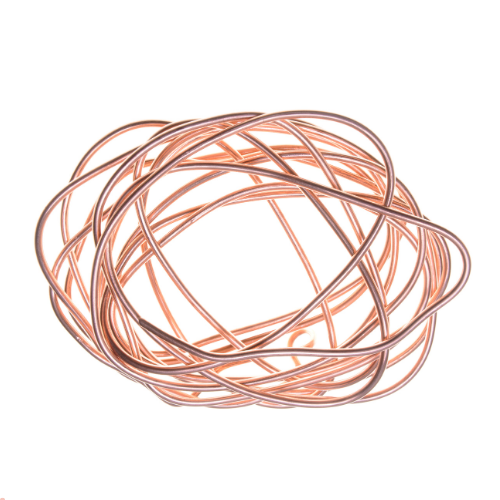
Copper Clad Wire
Copper Clad Wire: Top 5 Benefits & Key Differences Explained
Copper Clad Wire is a versatile and cost-effective electrical conductor that combines the high conductivity of copper with the lightweight and affordable properties of materials like aluminum or steel. Widely used in industries such as telecommunications, automotive, and construction, copper clad wire offers a practical solution where both performance and budget are key considerations.
What is Copper Clad Wire?
Copper clad wire, often referred to as copper-coated wire, is a bimetallic conductor that combines the electrical conductivity of copper with the lightweight properties of aluminum or steel. This wire features a core made of aluminum or steel, which is then coated with a layer of copper through various manufacturing processes, such as electroplating or cladding.
The primary goal of producing copper clad wire is to achieve a balance between performance and cost. By utilizing a less expensive core material and coating it with copper, manufacturers can produce a wire that offers good conductivity at a reduced cost compared to pure copper wire.
What is Copper Clad Wire Used For?
Copper clad wire finds applications across various industries due to its unique properties:
-
Electrical Applications: Used in residential and commercial wiring where cost savings are essential without significantly compromising conductivity.
-
Telecommunications: Employed in coaxial cables and other communication lines where high-frequency signal transmission is required.
-
Automotive Industry: Utilized in vehicle wiring harnesses to reduce weight and cost while maintaining adequate electrical performance.
-
Consumer Electronics: Found in devices like headphones and speakers, where flexibility and conductivity are necessary.

Copper Coated Wire Usage Areas
Copper coated wire's versatility makes it suitable for a wide range of applications:
-
Residential Wiring: Ideal for household electrical systems, offering a cost-effective alternative to pure copper wires.
-
Industrial Applications: Used in control panels, machinery, and equipment where durability and conductivity are required.
-
Aerospace and Defense: Employed in aircraft and military equipment to reduce weight without compromising electrical performance.
-
Renewable Energy Systems: Applied in solar panels and wind turbines, where efficient energy transmission is crucial.
Copper Clad Wire Price
The price of copper clad wire is influenced by several factors:
-
Material Costs: The cost of copper and the core material (aluminum or steel) directly affects the overall price.
-
Manufacturing Process: Processes like cladding or electroplating add to production costs.
-
Market Demand: Fluctuations in demand for copper and aluminum can impact prices.
-
Quality Standards: Wires meeting higher quality standards or certifications may be priced higher.
Generally, copper clad wire is more affordable than pure copper wire, making it an attractive option for budget-conscious projects.
Copper Clad Wire Sizes
Copper clad wire is available in various sizes, typically measured in American Wire Gauge (AWG). Common sizes include:
-
18 AWG: Suitable for low-power applications.
-
16 AWG: Used in lighting circuits and small appliances.
-
14 AWG: Common in residential wiring for outlets and lighting.
-
12 AWG: Ideal for kitchen and bathroom circuits.
-
10 AWG: Used for large appliances like air conditioners.
Selecting the appropriate wire size depends on the application's current requirements and safety standards.
Difference Between Copper and Aluminum Wire
Understanding the differences between copper and aluminum wires is essential for making informed decisions:
| Property | Copper Wire | Aluminum Wire |
|---|---|---|
| Conductivity | High conductivity, allowing for efficient energy transmission. | Lower conductivity; requires larger diameter to carry the same current as copper. |
| Weight | Heavier, which can increase structural support requirements. | Lighter, reducing overall system weight and easing installation. |
| Cost | More expensive due to higher material costs. | More affordable, offering cost savings in large-scale projects. |
| Durability | Highly durable with excellent resistance to corrosion and fatigue. | Less durable; more prone to oxidation and requires special handling to prevent corrosion. |
| Installation | Easier to install due to flexibility and strength. | Requires careful installation techniques to prevent issues like galvanic corrosion. |
| Applications | Preferred in residential and commercial wiring where performance is critical. | Commonly used in power distribution and overhead transmission lines where weight and cost are significant factors. |
For more information on copper clad wire products and services, visit Güneş Tel.
E-Bülten

KURUMSAL
KALİTE YÖNETİMİ
İnsan Kaynakları
İLETİŞİM
-
This email address is being protected from spambots. You need JavaScript enabled to view it.
-
Ömerli Mah. İhsangazi Sok. No: 48/3-4 Arnavutköy/İSTANBUL
TÜRKİYE



2021 © GÜNEŞ TEL


